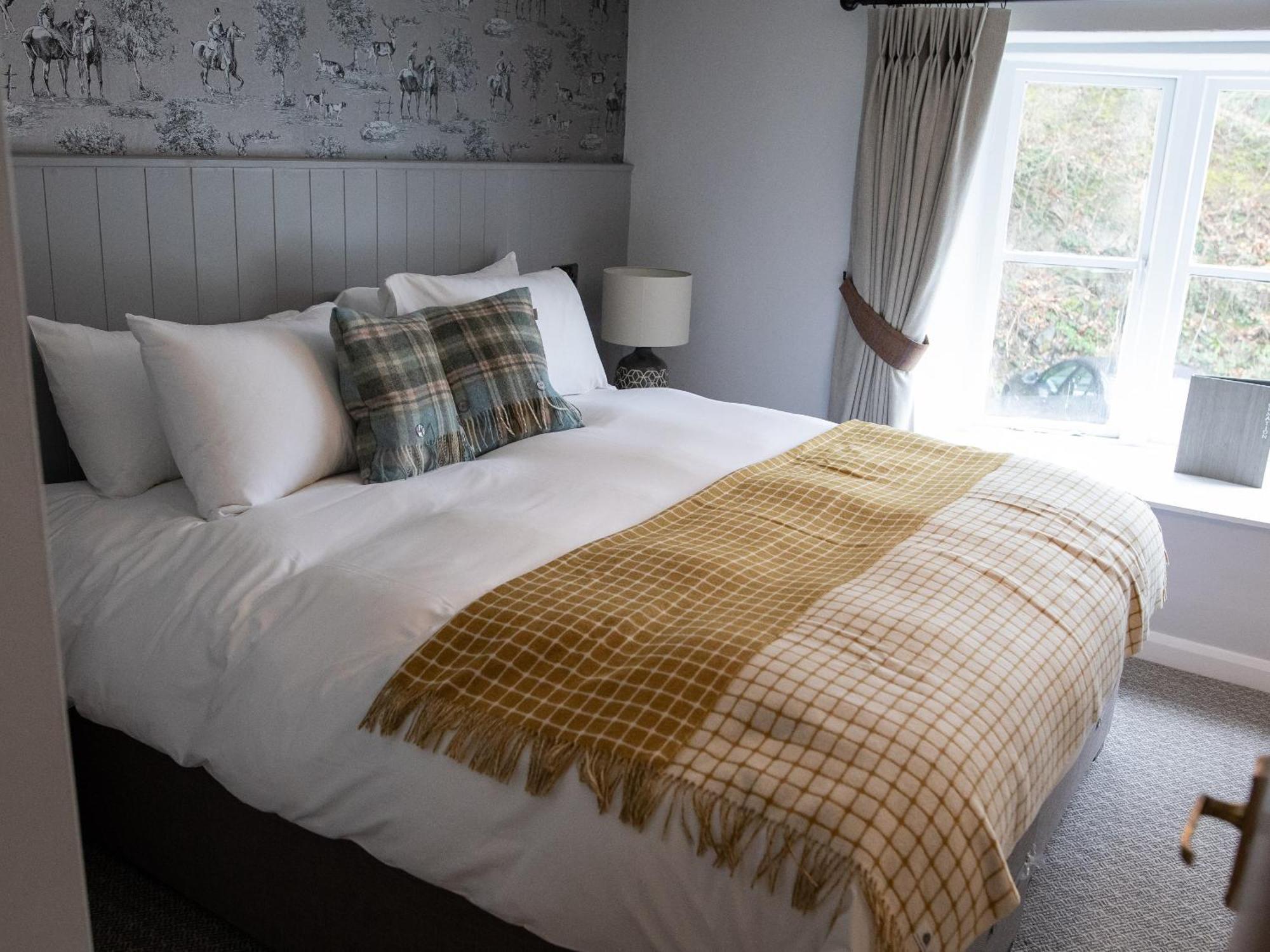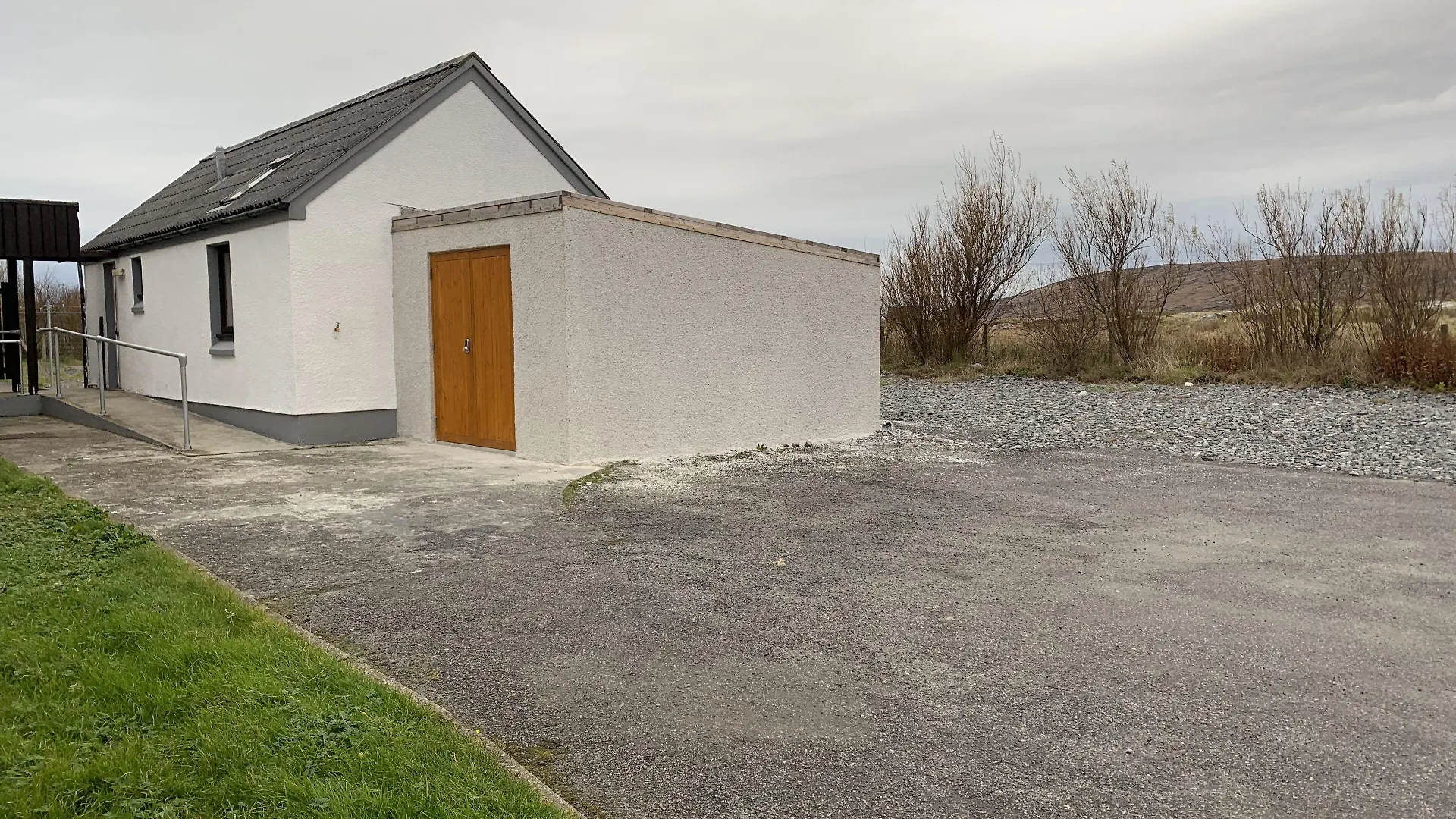
The Hebrides stretch across Scotland's northwest Atlantic coast, covering over 500 islands split into the Inner and Outer Hebrides. Choosing the right 4-star hotel here means understanding ferry schedules, island distances, and the reality that infrastructure is far sparser than mainland Scotland. This guide covers the best 4-star and highly-rated accommodation options across the Hebrides - from South Uist and Lewis to Harris - with specific booking insights to help you decide where and when to stay.
What It's Like Staying In The Hebrides
The Hebrides are defined by dramatic Atlantic coastlines, near-empty white-sand beaches, and a pace of life that bears no resemblance to city tourism. Ferries and single-track roads shape the rhythm of every trip - CalMac ferries connect the main islands, but missing a sailing can cost you hours. Most visitors are walkers, wildlife watchers, history seekers (Callanish Standing Stones, Skara Brae-era sites), or surfers drawn to Atlantic swells that arrive unbroken from Canada. Crowds are almost nonexistent outside July and August, when around 60% of annual visitors arrive, making off-season stays genuinely peaceful but requiring careful planning around reduced ferry timetables and limited dining options.
Pros:
- Unmatched coastal and moorland scenery with very low tourist density outside summer
- Strong sense of place - Gaelic culture, Harris Tweed heritage, and locally sourced food are authentic and accessible
- Excellent base for wildlife encounters: red deer, golden eagles, grey seals, and Atlantic puffins are regularly sighted
Cons:
- Transport logistics are complex - ferry bookings should be made weeks in advance in summer, and weather cancellations are common
- Dining and shopping options are limited outside Stornoway and Tarbert, requiring self-sufficiency
- Broadband and mobile connectivity can be unreliable in rural areas across South Uist and Lewis
Why Choose 4-Star Hotels In The Hebrides
In a destination where budget accommodation often means basic self-catering with no on-site staff, stepping up to a 4-star property in the Hebrides delivers a meaningful upgrade: en-suite bathrooms with quality fittings, on-site breakfast using local produce, and reliable WiFi - all of which are not guaranteed at lower price points. 4-star stays here typically cost around 30% more than standard B&Bs, but that premium buys you consistency in a destination where availability is limited and expectations need to be managed carefully. Unlike urban 4-star hotels, Hebrides properties at this tier are almost always small - think 6 to 15 rooms - which means personal service and advance booking are essential, particularly between May and September when occupancy runs high.
Pros:
- En-suite bathrooms, quality linen, and on-site breakfast are reliable inclusions - not optional extras
- Small room counts mean staff know guests personally, which improves practical help with local navigation and ferry timings
- Many 4-star properties in the Hebrides hold Visit Scotland quality ratings, offering a verifiable benchmark in a market where self-described ratings vary widely
Cons:
- Room availability is tight - most 4-star properties have under 10 rooms, so last-minute booking is rarely possible in peak season
- Spa facilities, pools, and room service are almost entirely absent at this tier in the Hebrides - the 4-star label refers to quality, not resort facilities
- Prices per night are high relative to mainland Scotland for equivalent facilities, reflecting the remote supply chain costs
Practical Booking & Area Strategy For The Hebrides
The Hebrides split into distinct island groups, and your hotel location should be chosen around your ferry port of entry. Stornoway on Lewis is the main transport hub - it has the only commercial airport, the busiest ferry terminal (Ullapool connection), and the widest range of services. Staying near Stornoway suits visitors who want a base for day trips to Callanish Standing Stones (around 25 km west) and the Butt of Lewis. For Harris, Tarbert is the main village and ferry terminal, well-placed for Luskentyre Beach - consistently rated among the UK's finest - around 20 minutes by car. South Uist and Benbecula suit visitors prioritising absolute solitude, machair walks, and birdwatching at RSPB South Uist; Benbecula Airport connects to Glasgow and Inverness. Book accommodation at least 8 weeks ahead for July and August, and always confirm check-in arrangements in advance - many Hebrides properties have no 24-hour reception.
Best Value Stays
These properties deliver strong quality-to-price ratios for travellers who want reliable comfort and a genuine sense of place without the premium of the island's top-tier options.
-
1. Uist Travel Accommodation
Show on map


 Check-infrom 16:00 until 23:00Check-outfrom 05:00 until 11:00
Just a few rooms left at the best rate!
from£ 79
-
2. Ceol Na Mara Guest House
Show on map


 Check-infrom 16:30 until 19:00Check-outfrom 08:00 until 10:00
Just a few rooms left at the best rate!
from£ 181
Best Premium Stays
These properties stand out for distinctive design, standout locations, or a level of finish that elevates them above standard island accommodation - worth the higher nightly rate for travellers who prioritise experience over practicality alone.
-
3. Borve House Hotel
Show on map


 Check-infrom 15:00 until 22:00Check-outuntil 11:00
Hurry – almost gone at this price!
from£ 170
-
4. Seapods - Isle Of Lewis - Luxury En-Suite Pods On The Edge Of The Atlantic Ocean
Show on map


 Check-infrom 16:00 until 23:00Check-outfrom 04:00 until 10:00
Rooms filling fast – secure the best rate!
from£ 249
Smart Travel & Timing Advice For The Hebrides
The Hebrides have a short but intense peak season. July and August bring the longest daylight hours (sunset after 10pm in midsummer), the most reliable ferry services, and the best conditions for beach visits and wildlife spotting - but 4-star properties typically sell out weeks in advance, and prices reflect that demand. June is increasingly popular as an alternative: wildflower machair is at its peak, Atlantic puffin colonies are active, and availability is easier to secure. Shoulder season - May and September - offers genuine value, with prices often around 20% lower than peak, though some smaller properties close entirely from October through March. Winter stays suit travellers specifically chasing Northern Lights, which are visible from Lewis and Harris on clear nights between October and March, but ferry cancellations due to Atlantic storms are a real operational risk that requires flexible travel plans. Most visitors find 4 nights the minimum to justify the travel time and cover one island meaningfully; 7 nights allows a two-island itinerary without feeling rushed.