
Derbyshire offers some of England's most varied B&B and apartment stays - from converted historic inns on the edge of the Peak District to boutique guest houses minutes from Derby city centre. This guide covers four verified properties across the county, with practical comparisons to help you choose the right base for your itinerary.
What It's Like Staying in Derbyshire
Derbyshire spans two very different travel worlds: the rugged, trail-heavy Peak District in the north and west, and the flatter, more accessible towns like Derby, Ashbourne, and Swadlincote in the south. Most attractions - Chatsworth House, Castleton, Alton Towers - require a car or planned bus connections, so your accommodation's proximity to major roads (particularly the A6, A515, and A623) matters more than it would in a city. The county draws walkers, heritage tourists, and families year-round, with the busiest periods concentrated around school holidays and summer weekends.
Pros:
- Rich concentration of countryside attractions within a compact county - Chatsworth, Dovedale, and the Blue John Caverns are all under an hour from most bases
- B&Bs and guest houses in Derbyshire typically include breakfast, removing a daily cost that adds up over multi-night stays
- Quieter midweek stays are easy to find outside Peak District villages, with noticeably fewer crowds than weekend visits
Cons:
- Public transport between rural villages and key attractions is limited - around 60% of Derbyshire's popular sites are poorly served by bus
- Mobile signal drops significantly across moorland areas, which can complicate navigation without offline maps
- Parking near Castleton and Dovedale fills by mid-morning on summer weekends, affecting self-drive itineraries
Why Choose B&Bs and Apartments in Derbyshire
B&Bs and apartment-style stays in Derbyshire occupy a practical middle ground - they offer more character and local context than chain hotels, and more privacy than hostels, usually at a lower nightly rate than the county's larger hotels. Most Derbyshire B&Bs include a full English breakfast, which is a genuine cost offset when you're spending the day hiking or driving between attractions. Apartment-adjacent rooms with kitchen facilities, like those at Rushop Hall, allow longer stays without relying entirely on local dining.
Unlike hotel chains concentrated in Derby's ring-road zones, the best B&B options are often positioned in village or semi-rural settings - closer to the walking routes, heritage sites, and countryside pubs that define a Derbyshire visit. Rates at reviewed properties typically start below £100 per night, a meaningful saving compared to branded hotels near the same attractions.
Pros:
- Included breakfasts at most properties reduce daily costs without sacrificing quality - several serve full English or vegetarian options on-site
- Many Derbyshire B&Bs are housed in historic buildings, adding architectural interest that branded hotels can't replicate
- Smaller properties provide easier access to owner knowledge - useful for trail conditions, local dining, and crowd timing
Cons:
- Check-in windows are often narrower than hotels - typically a 3-6pm arrival slot - requiring advance coordination for flexible travel days
- On-site facilities like gyms, room service, or 24-hour reception are rarely available in this category
- Parking at boutique urban B&Bs (particularly in Derby) may be limited or come at an extra cost
Practical Booking & Area Strategy
For Peak District access, properties in or near Castleton and Ashbourne put you closest to core walking routes - Mam Tor, Dovedale, and the Limestone Way - without needing to commute from Derby each day. Castleton-based stays like Rushop Hall position you under 15 minutes from the Hope Valley trailheads, which is a significant logistical advantage on days when parking in the villages runs out before 9am. If your trip combines city-side errands or business with countryside excursions, Derby-based options like The Coach House (on the A6, one mile from the city centre) give you urban access while remaining a 45-minute drive from the Peak District's southern entry points.
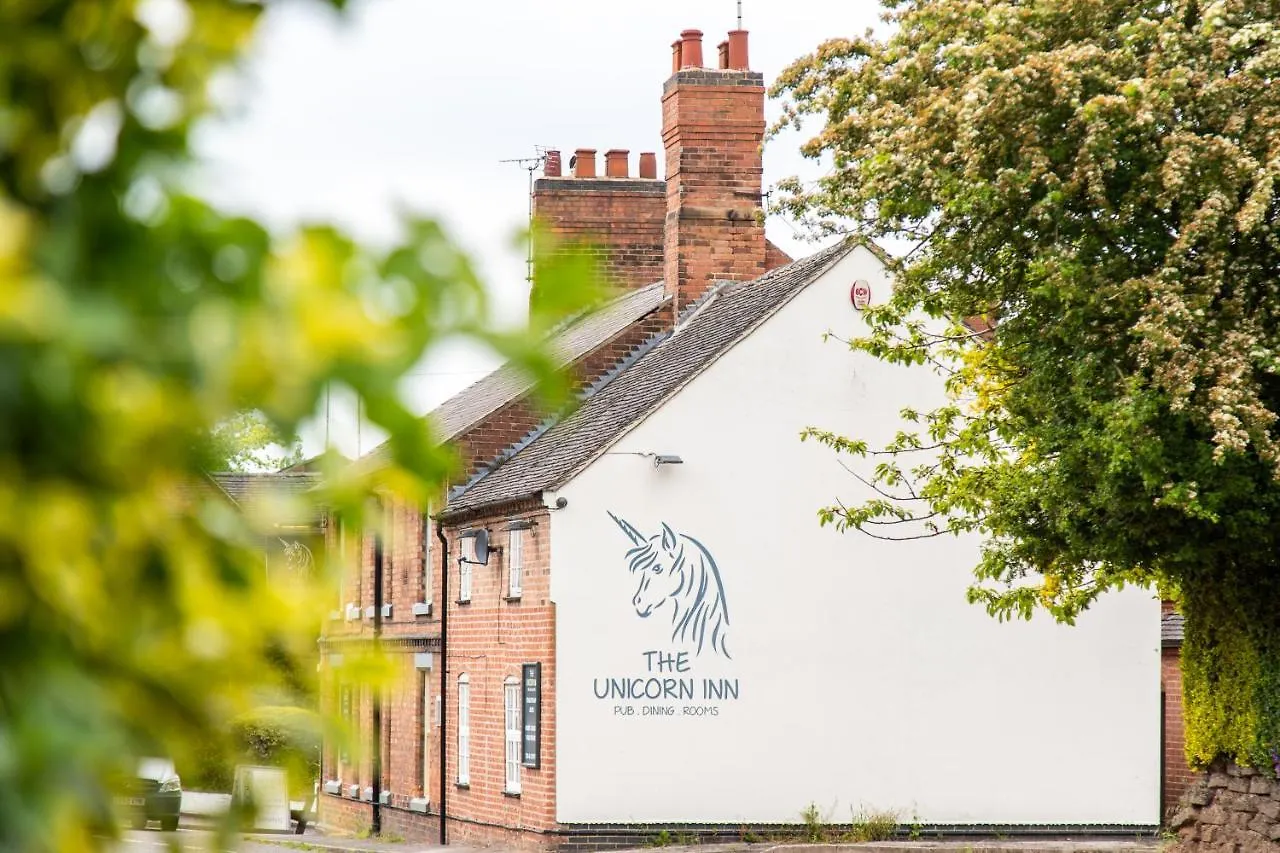
Ashbourne sits at the gateway to the Manifold Valley and Dovedale and is only 15 km from Alton Towers - useful for families mixing theme park visits with countryside days. Booking at least 6 weeks ahead for summer weekends is strongly advised across all Derbyshire B&Bs, particularly in Peak District villages where room inventory is limited and demand spikes sharply from June through August. For the Newton Solney area in south Derbyshire, proximity to East Midlands Airport (around 21 km) makes The Unicorn Inn a practical overnight option for early or late flights combined with a countryside stop.
Best Value B&B Stays
These properties deliver strong practical value for travellers prioritising location, included breakfast, and straightforward access to Derbyshire's main road network and attractions.
-
1. The Unicorn Inn
Show on map


 Check-infrom 14:00 until 21:00Check-outfrom 08:00 until 10:00
Just a few rooms left at the best rate!
from£ 54
-
2. The Royal Oak
Show on map


 Check-infrom 14:00 until 22:00Check-outuntil 11:00
Just a few rooms left at the best rate!
from£ 78
Best Premium B&B Stays
These properties offer a step up in setting, room quality, or location specificity - suited to travellers who want more from their Derbyshire base than standard overnight accommodation.
-
3. The Coach House
Show on map


 Check-infrom 15:00 until 18:00Check-outfrom 07:00 until 10:00
Hurry – almost gone at this price!
from£ 123
-
4. Rushop Hall
Show on map


 Check-infrom 15:00 until 23:30Check-outuntil 10:00
Rooms filling fast – secure the best rate!
from£ 140
Smart Travel & Timing Advice for Derbyshire
Derbyshire's busiest period runs from late May through August, when school holidays push up both occupancy and nightly rates across B&Bs in Peak District villages - Castleton in particular can see rates climb noticeably during this window. Late September through October offers a strong alternative: autumn foliage across the Derwent Valley and moorland makes it visually compelling, crowds thin considerably after the school summer break, and availability improves at all four properties reviewed here. For Alton Towers day-trippers staying in Ashbourne or Newton Solney, midweek visits in May or early June avoid the theme park's peak-weekend surcharges while Derbyshire itself remains accessible.
A two-night minimum stay makes practical sense for almost any Derbyshire itinerary - the county's key sites are spread enough that a single day doesn't do the area justice, but three to four nights is comfortable for covering Chatsworth, Dovedale, and at least one Peak District village. Booking 6 weeks ahead for summer weekends is the safest strategy, particularly at small-inventory properties like Rushop Hall and The Coach House where rooms sell out faster than larger hotels. Last-minute availability in November through February is generally good, and rates reflect the quieter season.


